Protein offers the body building blocks to repair and grow muscle, and it also helps a person feel fuller for longer.
A small 2012 study found that people who consumed high-quality proteins, such as milk, eggs, and beef, had a lower percentage of abdominal fat.
Do exercises while standing, not sitting
People should opt to stand when lifting weights or doing resistance training. Standing while performing certain movements, such as bicep curls, can help a person engage their core as they lift.
This engagement can help strengthen the core muscles and trim the stomach area.
Limit refined carbs
Carbohydrates are a source of energy for the body, but not all carbs are equally healthful. The body transforms certain carbs, such as white bread and white pasta, into glucose. When a person consumes more glucose than is necessary, the body stores the excess as fat.
A person looking to reduce the amount of fat around their midsection should limit their consumption of refined carbs.
As carbs are essential for energy, people should still eat healthful, whole-grain varieties.
Lately there has been a surge of detox drinks in the market, drinks that hold the promise of a flat belly, photos of trim and tight little abs are all over instagram, of people literally drinking their way to a toned tummy in what appears to be a few days. Well – I am hear to tell you that I have tried a stack of these teas, tonics and beverages and I want to share some thoughts on them with you.
Does drinking detox beverages give you the magic you need to get rid of stubborn belly fat?
Ummmm -NO!
They absolutely can help you feel better, boost your digestion and in turn reduce bloating and fluid retention in a super short period of time – which all help in flattening down the bulge in your middle. But reduce belly fat…. No they will not.
Getting rid of belly fat is one of the toughest things to do and to be quite frank, it can be a painful process. I mean, you will have to make some effort. Losing bellyfat is in fact simple, but it is not easy!
Why is that?
You may have heard some leading fitness professionals say that you can’t spot reduce fat on your body…. And they say this because it is TRUE! No amount of working out your abs will help you with targeted fat loss on your belly, that’s not to say you should stop working out though, but understanding that what you eat is actually the biggest factor in you belly fat will help you have a chance at getting rid of it.
Toxins are stored in fat cells in our body, that is where our clever systems hide toxic waste that we ingest or produce. The more toxins we ingest, the more fat our body makes to store it. And that is where detox drinks come in – if you consider detox drinks to help you own bodies natural ability to detoxify and eliminate toxins from your blood and not to reduce fat, then you are on the right track. There is no specific drink that does wonders in fact, the perfect drink likely does not even exist. But there are several that WILL help you detox, which will help your belly bloat and digestion, which over time will help you lose weight and feel better!
Look for detox drinks that have simple, clean whole food ingredients. NO SUGARS! The shorter the list of ingredients – in my view, the better! Ingredients like ginger, turmeric, apple cider vinegar, clove, cinnamon and even garlic!
One of points I am trying to make is although detox drinks can help you get a flatter belly, for actual long term fat loss they need to be combined with healthier habits and regular exercise in order for you to achieve your goals.
Which Detox drink is good for you?
You can choose to rely on any detox drinks to aid your body in the process of detoxifying.. However,some key things that any detox product should focus on is helping reduce inflammation, help boost energy, aid and support your digestive system, and cleanse the liver.You can choose any one and combine it with healthier habits such as – better food, clean green veggies and healthy fats, along with regular exercise is a good place to start. One of the most important things is not to give up. Creating better, healthier habits takes time and effort and requires you to stick to it for a time!
The most essential part of a toned body is maintaining the calories intake.
Since you aren’t working out a lot, you should try to intake lesser than the amount mentioned.
But don’t starve. It’s not going to help you.
For me, I eat almost everything because I have a high metabolism rate and I somehow manage to burn a decent amount of calories everyday working out for an hour, five days a week.
2. Cardio
Cardio is important. You do not have to do a lot of it but fifteen minutes of it will definitely help you. Brisk walking/ dancing/ aerobics/ Zumba/ skipping/ burpees/ mountain climbing/ running are great cardio workout.
It not only burns your calories but works on your overall body toning.
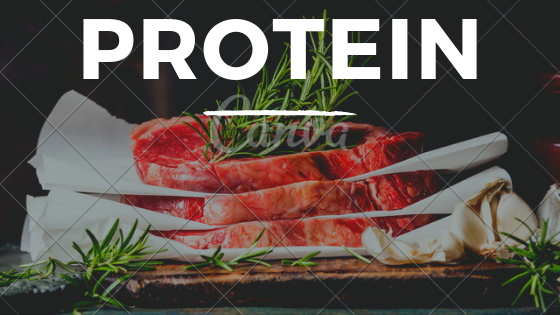
3. Protein
Yes protein is important but you just can’t rely on proteins completely. Carbs cannot be ignored because they provide you energy for the whole day.
Maintain a strict diet for a couple of months and balance the protein and carbs intake.
You should take protein in proportion to the workout you do else there would be digestion problems.
I have seen people taking lots of protein and not working out leading to oily face with lots of acne over the body.
Also, try to rely on natural sources of protein like fish/eggs and meat.
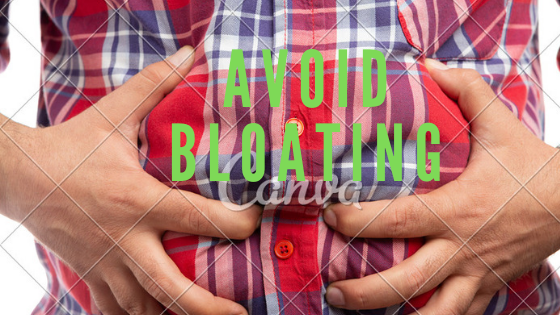
4. Avoid bloating
Sometimes we aren’t aware of a few food items that bloat our stomach and make it look all heavy and the lower belly especially pops out.
One needs to keep track of such food items and avoid them.
For me, banana shake, legumes (Sprouted grams) and colas were the main reason for bloated stomach.
I stopped taking them for a month and I could feel the difference.
5. Increase Your Metabolism:
The most important part is your metabolism. The higher it is, the more helpful it is to keep you thin and fit.
I follow an old rule my mom used to give me.
Before sleeping I drink a glass of hot milk.
After waking up I drink a glass of normal/Luke warm water.
These two normal habits might increase your metabolism rate.
Try to follow these habits for a few months and see the difference in your lifestyle.
I have recently started gyming from October. I skip a lot though. So, I can guide you a little because before gyming as well, I used to have flat stomach and an active body.
Disclaimer: Whatever worked out for me, might not work out for you as everyone’s body is different. I have never been relying on gym or any other training and keeping my body fit and toned since long and this is all I did except for the gym part.
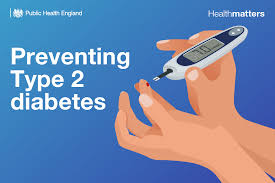
Type 2 diabetes is a chronic disease. It is characterized by high levels of sugar in the blood. Type 2 diabetes is also called type 2 diabetes mellitus and adult-onset diabetes. That’s because it used to start almost always in middle- and late-adulthood. However, more and more children and teens are developing this condition. Type 2 diabetes is much more common than type 1 diabetes, and is really a different disease. But it shares with type 1 diabetes high blood sugar levels, and the complications of high blood sugar.
During digestion, food is broken down into basic components. Carbohydrates are broken down into simple sugars, primarily glucose. Glucose is a critically important source of energy for the body’s cells. To provide energy to the cells, glucose needs to leave the blood and get inside the cells.
Insulin traveling in the blood signals the cells to take up glucose. Insulin is a hormone produced by the pancreas. The pancreas is an organ in the abdomen. When levels of glucose in the blood rise (for example, after a meal), the pancreas produces more insulin.
Type 2 diabetes occurs when your body’s cells resist the normal effect of insulin, which is to drive glucose in the blood into the inside of the cells. This condition is called insulin resistance. As a result, glucose starts to build up in the blood
Symptoms
he symptoms of diabetes are related to high blood glucose levels. They include:
Excessive urination, thirst and hunger
Weight loss
Increased susceptibility to infections, especially yeast or fungal infections
Extremely high blood sugar levels also can lead to a dangerous complication called hyperosmolar syndrome. This is a life-threatening form of dehydration. In some cases, hyperosmolar syndrome is the first sign that a person has type 2 diabetes. It causes confused thinking, weakness, nausea and even seizure and coma.
The treatment of type 2 diabetes also can produce symptoms. Too much glucose-lowering medicine, relative to dietary intake, can lead to the complication of low blood sugar (called hypoglycemia). Symptoms of hypoglycemia include:
Sweating
Trembling
Dizziness
Hunger
Confusion
Seizures and loss of consciousness (if hypoglycemia is not recognized and corrected)
You can correct hypoglycemia by eating or drinking something that has carbohydrates. This raises your blood sugar level.
Type 2 diabetes affects all parts of the body. It can cause serious, potentially life-threatening complications. These include:
Atherosclerosis — Atherosclerosis is fat buildup in the artery walls. This can impair blood flow to the all the organs. The heart, brain and legs are most often affected.
Retinopathy — Tiny blood vessels in the retina (the back of the eye that sees light) can become damaged by high blood sugar. The damage can block blood flow to the retina, and can lead to bleeding into the retina. Both damage the ability of the retina to see light. Caught early, retinopathy damage can be minimized by tightly controlling blood sugar and using laser therapy. Untreated retinopathy can lead to blindness.
Neuropathy — This is nerve damage. The most common type is peripheral neuropathy. The nerves to the legs are damaged first, causing pain and numbness in the feet. This can advance to cause symptoms in the legs and hands. Damage to the nerves that control digestion, sexual function and urination can also occur.
Foot problems — Sores and blisters on the feet occur for two reasons:
If peripheral neuropathy causes numbness, the person may not feel irritation in the foot. The skin can break down, form an ulcer, and the ulcer can get infected.
Blood circulation can be poor, leading to slow healing. Left untreated, a simple sore can become infected and very large. If medical treatment cannot heal the sore, an amputation may be required.
Nephropathy — Damage to the kidneys. This is more likely if blood sugars remain elevated and high blood pressure is not treated aggressively.
Diagnosis
Diabetes is diagnosed by testing the blood for sugar levels. Blood is tested in the morning after you have fasted overnight.
Typically, the body keeps blood sugar levels between 70 and 100 milligrams per deciliter (mg/dL), even after fasting. If a blood sugar level after fasting is greater than 125 mg/dL, diabetes is diagnosed.
Your doctor will examine you to look for:
Obesity, especially abdominal obesity—a condition that greatly raises a person’s risk for type 2 diabetes.
High blood pressure—a condition often present in people with type 2 diabetes, that together with diabetes greatly increases the risk of heart disease and strokes.
Deposits of blood, or puffy yellow spots in the retina of your eyes—complications of both diabetes and high blood pressure, that increase the risk of blindness
Decreased sensation in the legs—which can cause a person with diabetes to fail to notice developing foot sores, particularly sores on the underside of the feet
Weak pulses in the feet—a condition that can slow or prevent the healing of foot sores, and possibly lead to amputation
Blisters, ulcers or infections of the feet
Laboratory tests are also used routinely to evaluate diabetes. These include:
Fasting plasma glucose (FPG) test. Blood is taken in the morning after fasting overnight. Normally, blood sugar levels remain between 70 and 100 milligrams per deciliter (mg/dL). Diabetes is diagnosed if a fasting blood sugar level is 126 mg/dL or higher.
Oral glucose tolerance test (OGTT). Blood sugar is measured two hours after drinking 75 grams of glucose. Diabetes is diagnosed if the 2-hour blood sugar level is 200 mg/dL or higher.
Random blood glucose test. A blood sugar of 200 mg/dL or greater at any time of day combined with symptoms of diabetes is sufficient to make the diagnosis.
Hemoglobin A1C (glycohemoglobin). This test measures the average glucose level over the prior two to three months. Diabetes is diagnosed if the hemoglobin A1C level is 6.5% percent or higher.
Blood creatinine and urine microalbumin. Tests for evidence of kidney disease.
Lipid profile. Measures levels of triglycerides and total, HDL, and LDL cholesterol. This evaluates the risk of atherosclerosis. People with diabetes who also have high levels of total cholesterol or LDL cholesterol are at greatly increased risk for heart disease and strokes.
Expected Duration
Diabetes is a lifelong illness. However, people with type 2 diabetes can sometimes restore their blood sugar levels to normal just by eating a healthy diet, regularly exercising, and losing weight.
Aging and episodic illness can cause the body’s insulin resistance to increase. As a result, additional treatment typically is required over time.
Prevention
If a close relative—particularly, a parent or sibling—has type 2 diabetes, or if your blood glucose test shows “pre-diabetes”—defined as blood glucose levels between 100 and 125 mg/dL—you are at increased risk for developing type 2 diabetes. You can help to prevent type 2 diabetes by:
Maintaining your ideal body weight.
Exercising regularly—like a brisk walk of 1-2 miles in 30 minutes—at least five times a week, even if that does not result in you achieving an ideal weight. That’s because regular exercise reduces insulin resistance, even if you don’t lose weight.
Eating a healthy diet.
Taking medication. The medication metformin (Glucophage) offers some additional protection for people with pre-diabetes.
If you already have type 2 diabetes, you can still delay or prevent complications:
Keep tight control of your blood sugar. This reduces the risk of most complications.
Lower your risk of heart-related complications by:
Taking a daily aspirin—particularly if you already have some signs of heart disease.
Aggressively managing other risk factors for atherosclerosis, such as:
High blood pressure
High cholesterol and triglycerides
Cigarette smoking
Obesity
Visit an eye doctor and a foot specialist every year to reduce eye and foot complications.
Treatment
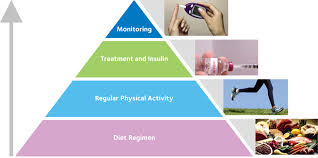
Diet and Exercise
In most cases, type 2 diabetes treatment begins with weight reduction through diet and exercise. A healthy diet for a person with diabetes is:
Low in saturated fats and cholesterol
Without any trans fats
Low in total calories
Nutritionally balanced with abundant amounts of:
Whole-grain foods
Monounsaturated oils
Fruits and vegetables
A daily multivitamin is recommended for most people with diabetes.
For some people, type 2 diabetes can be controlled just with diet and exercise. Even if medications are required, diet and exercise remain important for controlling diabetes.
Medications: Pills
These medications work in many different ways. They include medications that:
Reduce insulin resistance in the muscles and liver.
Increase the amount of insulin made and released by the pancreas.
Cause a burst of insulin release with each meal.
Delay the absorption of sugars from the intestine.
Slow your digestion.
Reduce your appetite for large meals.
Decrease the conversion of fat to glucose.
Increase the amount of sugar that flows out of the kidneys into urine.
Insulins
Because type 2 diabetes develops when the pancreas cannot make enough insulin to overcome insulin resistance, about one of three people with this disease take some form of insulin injection.
In advanced type 2 diabetes, or for people who want to tightly control glucose levels, insulin may be needed more than once per day and in higher doses.
Treatment plans that include both very long-acting insulin and very short-acting insulin are frequently the most successful for controlling blood sugar. Very short-acting insulin is used with meals, to help control the spike in blood sugar levels that occur with a meal. If a person does not eat on a regular schedule, very short-acting insulin can be particularly helpful.
Treatment Side Effects
Medications used to treat type 2 diabetes can have side effects. These vary by medication. Side effects may include:
Low blood sugar levels (hypoglycemia)
Weight gain
Nausea
Diarrhea
Leg swelling
Worsening of heart failure
Liver inflammation
Excessive gas and bloating
Frequent urination
In general, the benefits of treatment outweigh the risks. People with type 2 diabetes who have other medical problems such as advanced kidney disease need to avoid some of the pills and non-insulin injections.
In addition to medicines that help control the level of blood sugar, people with type 2 diabetes often take other medicines that reduce the risk or to slow the onset of the complications of diabetes. These include medications that:
Slow the worsening of kidney disease—particularly drugs called angiotensin-converting enzyme (ACE) inhibitors and angiotensin receptor blockers (ARBs).
Lower cholesterol. All diabetics should consider taking medication to lower their cholesterol, usually one of the statin medications.
Lower blood pressure. Diabetics should use medication to control high blood pressure if it can’t be improved by lifestyle changes.
Protect against heart attacks. Most people with diabetes benefit from daily low-dose aspirin.
When To Call a Professional
If you have diabetes, see your doctor regularly.
People with high blood sugar levels have a higher risk of dehydration. Contact your doctor immediately if you develop vomiting or diarrhea and are not able to drink enough fluids.
Monitor your blood sugar as advised by your health care team. Report any significant deviations in blood sugar levels.
Prognosis
Your treatment plan is likely to require adjustment over time. Insulin resistance increases with age. And the insulin-producing cells in the pancreas may wear out as the pancreas tries to keep up with the body’s extra insulin needs.
After the first few years, the majority of people with type 2 diabetes require more than one medicine to keep their blood sugar controlled.
The prognosis in people with type 2 diabetes varies. It depends on how well an individual modifies his or her risk of complications. Heart attack, stroke and kidney disease can result in premature death. Disability due to blindness, amputation, heart disease, stroke and nerve damage may occur. Some people with type 2 diabetes become dependent on dialysis treatments or require a kidney transplant because of kidney failure.
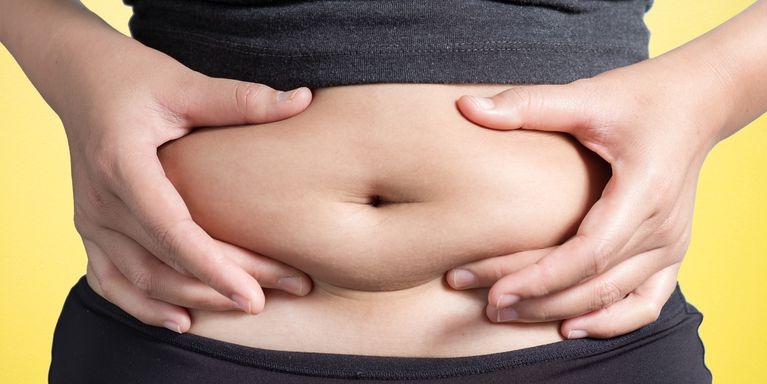
Most of us are not happy with the way our bodies look. Some of us could’ve done with a better hairline, broader shoulders, fuller lips or something else. However, one problem that seems to unite more people than anything else is the big belly. Call it a beer belly or a big tummy, no amount of cuteness can hide how miserable an extended gut can feel. Once you cross the threshold at 40, things get even worse. At this age your body is barely cooperative and losing stubborn fat can be a task all in itself.
Traditional weight loss advice does have some merit to it, but with all kinds of advice being thrown at us from a variety of sources, picking one that works can be tedious. Exercising regularly has a host of benefits to offer but it may not be enough to get rid of stubborn belly fat in people over the age of forty. However, I recently had a very interesting experience with the Flat Belly Fix that has helped me with my own belly fat loss journey.
The Verdict: My Final Thoughts
The Flat Belly Fix regime is one that focuses on arming you with all the information and resources you need to get to a happy place with your weight. The plan is perfect for those over the age of forty looking for a solution to the problem of relentless belly fat. With tasty smoothies and other fresh, tasty foods, following the diet part of the program is not very difficult.
Even with a hectic schedule, this program works! The short workouts pack a punch and deliver what they promise. The only catch here is that you must be consistent with your workouts and eating habits if you want to experience lasting and noticeable results. However, this is true for any program.
In conclusion, if you’re looking at blasting away stubborn belly fat, this Flat Belly Fix program might be the key to getting you there! Backed by a 60 day money back guarantee, there is no reason not to give this program a shot.
















 Fitness MuayThai